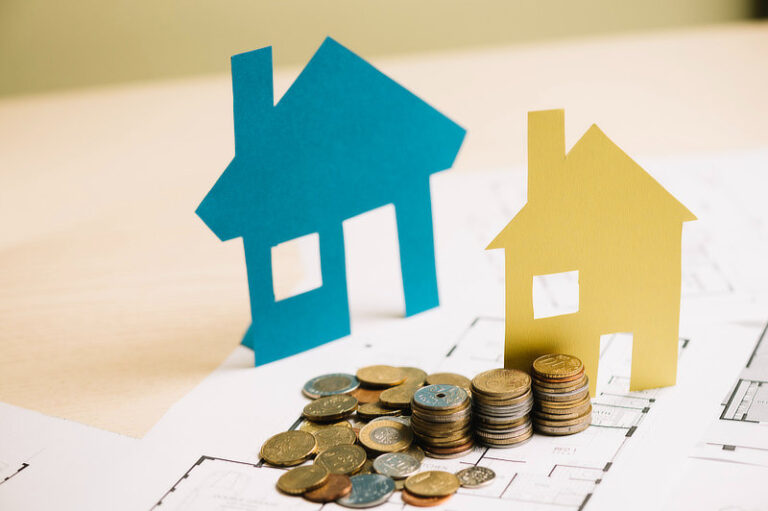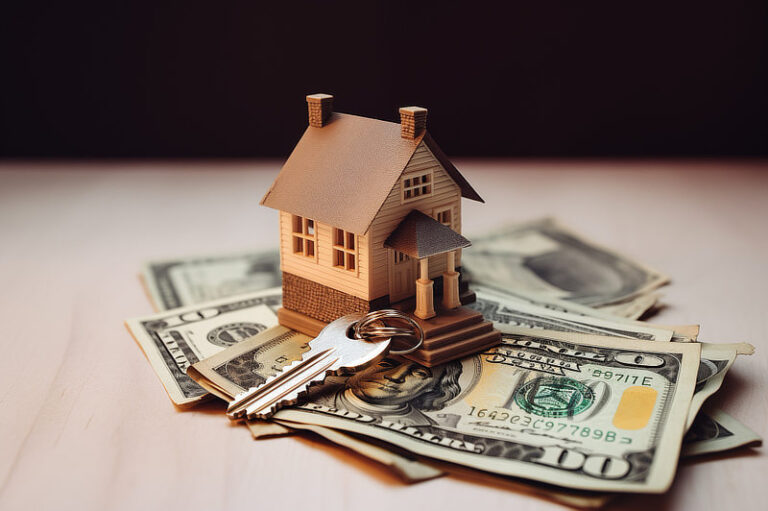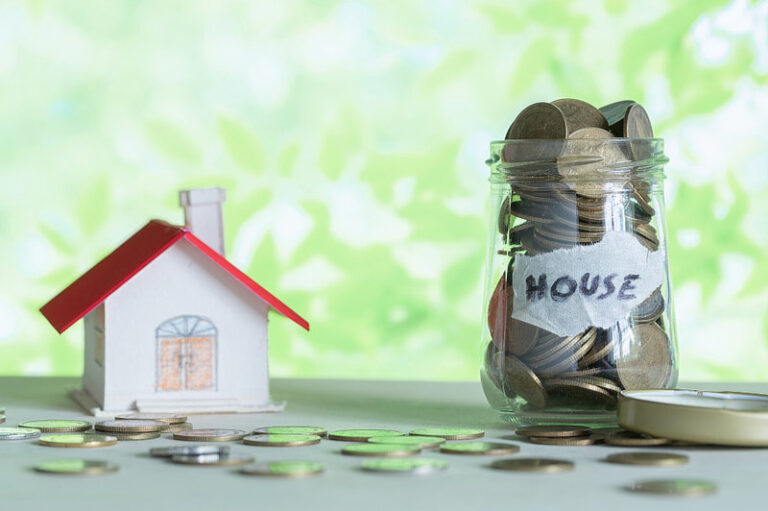
Buying a home is one of the biggest financial milestones in life, but many people struggle with how to save for a house. The challenge often isn’t choosing the right home—it’s building enough savings to afford it. With home prices continuing to rise, saving for a house requires careful planning and realistic strategies.
The good news? With the right plan and consistent financial habits, buying a home is absolutely achievable. Based on insights from various sources, here’s a practical and easy-to-follow guide to help you save for a house faster and with more confidence.
1. Set a Clear Savings Goal for Buying a Home
The first step is knowing exactly what you’re saving for. Without a clear number, it’s hard to track progress or build an effective plan.
Start by defining:
- Your target home price range
- Your savings timeline
- How much you need for a down payment
The more specific your goal, the easier it becomes to create a realistic savings plan.
How Much You Need for a Down Payment
Many first-time buyers assume they need a 30% down payment. In reality, the amount depends on the type of mortgage you choose.
Here’s a general overview:
- Conventional mortgages
Typically require a 10–20% down payment, though some programs allow lower amounts with certain conditions. - Government-backed home loans
These loans often offer lower down payments—sometimes as low as 0–10%, depending on the program and eligibility. - High-value or jumbo loans
For higher-priced homes, lenders usually require a larger down payment, often 20–30% or more.
In general, a larger down payment means lower monthly payments and less interest over time.
Budget for Closing Costs and Post-Purchase Expenses
Your down payment isn’t the only cost to plan for.
Typical closing costs may include:
- Notary or legal fees
- Bank administration fees
- Home appraisal
- Taxes and insurance
These usually add up to around 2–5% of the home price.
After you buy the home, you may also need money for:
- Moving expenses
- Furniture and appliances
- Minor repairs
- Initial utility bills
Including these costs in your savings plan helps avoid surprises later.
2. Review and Tighten Your Monthly Budget
If you want to save faster, take a close look at your monthly spending. Small adjustments can make a big difference over time.
Simple ways to cut costs include:
- Eating out less often
- Canceling unused subscriptions
- Adjusting lifestyle priorities
You don’t need extreme changes—just consistent control over your expenses.
3. Use Extra Money to Boost Your Home Savings
Unexpected income can significantly speed up your savings if used wisely. Instead of spending it right away, consider putting it directly into your home fund.
- Tax refunds or credits
Deposit them straight into your home savings account. - Raises or bonuses
Avoid upgrading your lifestyle immediately. Save part—or all—of the extra income instead. - Gifts or inheritance
Money from special occasions can provide a major boost toward your down payment.
4. Increase Your Income to Save Faster
If you’ve already cut expenses and progress still feels slow, increasing your income may help.
Some options include:
- Freelance or side jobs
- Small businesses based on hobbies
- Extra projects at work
- Learning new skills to qualify for promotions
More income gives you more flexibility to reach your goal sooner.
5. Automate Your Savings to Stay Consistent
Consistency is key when saving for a home. Automation makes it easier.
Set up automatic transfers
Schedule monthly transfers from your main account to a dedicated home savings account. This helps you save before spending on anything else.
Build small daily habits
- Round up purchases and save the spare change
- Send cash-back rewards directly into your home fund
Small actions can add up faster than you expect.
6. Choose the Right Place to Store Your Home Savings
Where you keep your savings matters just as much as how you save. Have you decided which type of account or financial product you’ll use to keep that money?
Best options include:
- High-yield savings accounts
Offer better interest while keeping your money accessible. - Money market accounts
Often provide higher returns than regular savings with low risk. - Short-term fixed deposits
Ideal if you have a clear timeline for buying your home.
Should You Invest While Saving for a Home?
If your purchase is still 3–5 years away, conservative investments may be an option. But if you plan to buy within two years, low-risk and liquid accounts are usually safer.
7. Protect Your Savings and Avoid Long-Term Funds
Saving for a home should never put your financial security at risk.
- Emergency fund
Keep at least 3–6 months of living expenses in a separate emergency account. - Retirement and long-term investments
Avoid using retirement savings unless absolutely necessary. Sacrificing your future for a home can create long-term financial stress.
8. Check If You Qualify for Home Buyer Assistance Programs
Have you been saving consistently and feel like your funds are finally adding up? Many buyers overlook programs designed to make homeownership more affordable.
- Down payment assistance or grants
Some programs offer down payment assistance for first-time home buyers who meet specific eligibility requirements. - Tax incentives for first-time buyers
Home buyer tax incentives can help lower upfront costs and improve overall affordability. - Help covering closing costs
Certain programs also provide support to cover part of the closing costs, making the purchase process more manageable.
Taking time to explore these programs can significantly reduce your upfront expenses.
Final Thoughts
Saving for a house takes time, discipline, and a solid strategy. By setting clear goals, managing your budget, increasing income, and storing your savings wisely, you can move closer to homeownership faster than you might expect.
Most importantly, stay consistent and think long-term. With the right plan, your goal of owning a home can feel more achievable—and far less stressful.
Disclaimer: The information provided in this article is for general educational purposes only and should not be considered financial, legal, or mortgage advice.
Mortgage rates, loan programs, and eligibility requirements may vary based on location, lender, and individual circumstances. Whether you are buying or selling a home, always consult with a qualified real estate agent, mortgage lender, financial advisor, or legal professional before making any decisions.