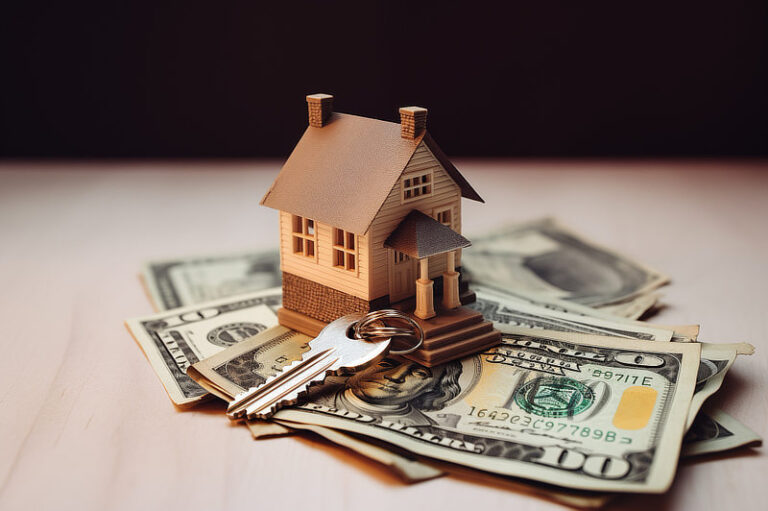
Understanding home seller closing costs is essential before you put your house on the market. Selling a home isn’t only about setting the right price and finding a buyer.
n many countries, sellers also need to prepare for various closing expenses that can significantly reduce their final take-home amount. By knowing these costs early, you can better estimate how much money you will actually receive once the sale is complete and avoid last-minute financial surprises.
What Are Closing Costs for Home Sellers?
Closing costs for sellers are all the fees and expenses that must be paid when a property transaction is officially finalized, often called the closing day or completion day. These costs are usually deducted directly from the home sale proceeds by an escrow agent, notary, or solicitor, depending on the legal system in each country.
Unlike buyers, who often pay for financing and appraisal fees, sellers typically cover real estate agent commissions, ownership transfer costs, and certain taxes. The exact structure varies based on location and the terms agreed upon in the contract.
Here’s What Closing Costs to Expect
Below are the most common cost components you’ll encounter in international property transactions, especially in markets like the United States and other English-speaking countries.
1. Real Estate Agent Commissions and Brokerage Fees
Real estate agent commissions are usually the largest portion of a seller’s closing costs.
In the United States, total agent commissions typically range from 5% to 6% of the home’s sale price. This amount is then split between the listing agent (the seller’s agent) and the buyer’s agent.
In countries like the UK and Australia, commissions are often lower, usually around 1% to 3%, but this depends heavily on the region and property type.
Example:
If a home sells for USD 400,000 with a 5% commission, the total commission would be about USD 20,000.
2. Title Insurance and Ownership Transfer Costs
In the U.S., sellers often pay for the owner’s title insurance policy, which protects the buyer against past ownership claims or legal disputes related to the property title.
Additional related costs may include:
- Title search fees
- Escrow service fees
- Notary or settlement fees
- Recording fees for officially registering the new ownership
In countries such as the UK, these responsibilities are typically handled by a solicitor or conveyancer.
3. Taxes, Government Fees, and Required Charges
Some regions impose taxes or government fees when property ownership changes hands, such as:
- Transfer tax or stamp duty (varies by country or state)
- Capital gains tax (if the seller makes a significant profit and does not qualify for tax exemptions)
- Local municipal or administrative fees
In the United States, capital gains tax may apply if your profit exceeds certain exemption thresholds, for example USD 250,000 for single filers or USD 500,000 for married couples, provided specific conditions are met.
4. Seller Concessions and Negotiated Buyer Credits
In competitive markets or buyer’s markets, sellers may offer seller concessions, which are incentives to help close the deal. These can include:
- Contributing to the buyer’s closing costs
- Providing repair credits
- Covering certain inspection-related expenses
All concessions are negotiated in the purchase agreement and can directly affect the seller’s net proceeds.
5. Other Common Costs Home Sellers Should Budget For
Beyond the main categories, several additional expenses often appear during the selling process:
- Attorney or Legal Fees: In some U.S. states and nearly all parts of the UK, hiring a lawyer or solicitor is mandatory.
- Home Preparation and Repairs: Costs for staging, repainting, minor fixes, or repairs requested after inspections.
- Prorated Utilities or HOA Fees: Utility bills, property taxes, or Homeowners Association (HOA) dues that are split proportionally up to the closing date.
- Outstanding Liens or Loan Payoffs: Any remaining mortgage balance, home equity loans, or legal liens must be paid off at closing.
How Much Do Closing Costs Typically Add Up To?
In the United States, seller closing costs usually range from 6% to 10% of the home’s sale price.
A typical breakdown looks like this:
- 5%–6% agent commissions
- 1%–4% additional costs (taxes, title fees, escrow, and others)
In other countries, the total may be lower or higher depending on legal systems, local taxes, and commission structures.
Simple Estimate Example (U.S.):
- Home sale price: USD 500,000
- Estimated total closing costs (8%): USD 40,000
- Net proceeds before mortgage payoff: USD 460,000
Keep in mind, this figure still needs to be reduced by any remaining mortgage balance if applicable.
How to Reduce or Plan for Your Home Seller Closing Costs
While closing costs are unavoidable, there are practical ways to prepare for or potentially reduce them:
- Negotiate Agent Commissions: In some markets, especially for high-value properties, commission rates may be negotiable.
- Compare Multiple Agents or Brokers: Review their fee structures and service offerings before signing a listing agreement.
- Understand Tax Implications Early: Consult a tax advisor if you expect to face capital gains tax.
- Make Strategic Repairs: Focus on improvements with strong return on investment so you don’t end up offering large repair credits to buyers.
- Request a Net Proceeds Estimate Upfront: A real estate agent or settlement agent can usually provide a net sheet that estimates how much you’ll walk away with before the home is even listed.
Selling a home is a major financial transaction, and closing costs can significantly influence your final profit. By understanding the cost structure early and planning carefully, you can avoid unpleasant surprises and make more confident decisions throughout the selling process.
Disclaimer: The information provided in this article is for general educational purposes only and should not be considered financial, legal, or mortgage advice.
Mortgage rates, loan programs, and eligibility requirements may vary based on location, lender, and individual circumstances. Whether you are buying or selling a home, always consult with a qualified real estate agent, mortgage lender, financial advisor, or legal professional before making any decisions.