Credit cards make almost everything easier, from online shopping and booking tickets to paying monthly bills automatically. But behind that convenience, there are many scam tactics that continue to evolve and become more sophisticated.
Many people only realize there’s a problem after seeing a bloated statement or receiving a notification for a transaction they never made. To avoid becoming the next victim, it’s important to understand the most common types of credit card scams and how to stay clear of them.
OLENKA’S GUIDE TO YOUR FIRST CREDIT CARD
- 11 Things to Know Before Getting Your First Credit Card
- Am I Ready for My First Credit Card? Key Signs to Know Before You Apply
- How to Qualify for a Credit Card When You’re a Beginner
- 7 Best Credit Card Options for Your First Credit Card
- What Is a Schumer Box and How to Read It
- How to Use Your First Credit Card Responsibly
1. Charity Scams
Whenever natural disasters, conflicts, or humanitarian crises occur, donation activity usually surges. Unfortunately, scammers often take advantage of these emotional moments.
How fake charities target credit card users
Scammers frequently pose as charitable organizations. They may send professionally designed emails, create convincing donation websites, or even call you directly with emotional stories.
The tactic is simple: you’re asked to enter your credit card details to donate. After that, your card information can be misused or sold.
They usually create a sense of urgency, saying things like “Donate now, limited time only,” so you don’t have a chance to think it through.
How to verify a charity before donating
Before donating, spend a few minutes checking:
- Does the organization have a clear and official website?
- Does the URL use https?
- Are there trustworthy reviews or a credible digital footprint?
It’s better to search for the organization’s name yourself through a search engine rather than clicking links from emails or messages.
If it feels overly urgent or emotionally pushy, pause and verify first.
2. Public Wi-Fi and Hotspot Scams
Free Wi-Fi at cafés, airports, or hotels is convenient, but public networks are also a favorite entry point for hackers.
How unsecured networks expose your card details
Unencrypted networks allow others to monitor the data you send. If you enter your credit card information during checkout, that data could be intercepted.
Even more dangerous, scammers sometimes create fake hotspots with names that resemble official networks. Once you connect, your online activity can be monitored without you realizing it.
Safer ways to make payments on the go
To stay safer:
- Use mobile data for important transactions
- Avoid online shopping over public Wi-Fi
- Use a VPN if necessary
- Enable real-time transaction alerts
A little caution now is far better than dealing with a billing dispute later.
3. Credit Card “Sign-Up Farm” Scams
This scam doesn’t always look like fraud at first because it’s often packaged as an “easy money” opportunity.
What sign-up farm scams are
Scammers offer rewards if you apply for a credit card through them, such as cash or gifts. At a glance, it may look like a normal referral program.
In reality, your personal data may be collected, sold, or even used to open additional accounts without your consent. Some people only discover the issue when unexpected bills start appearing.
Red flags to watch for before applying for a card
Be cautious if:
- The promised bonus feels unrealistically large
- The application process doesn’t go through an official bank website
- You’re asked for sensitive data outside a formal form
- The card issuer isn’t clearly identified
Always apply for credit cards directly through official and trusted financial institution websites.
4. Interest Rate and Fee Scams
Credit card offers often highlight big numbers and sweet promises, but not all promotions are transparent.
How misleading rate offers work
Some offers sound extremely attractive, such as “0% APR forever” or “no fees at all.” In reality, there’s often a limited promotional period or hidden charges buried in the fine print.
Scammers may also call and claim they can “lower your interest rate” if you provide your card details.
What to check in the fine print
Before agreeing to anything, make sure you review:
- Promotional APR duration
- Annual fees
- Late payment fees and penalty APR
- Terms for interest rate changes
Reading the terms carefully can save you from expensive surprises later.
5. Overcharge Scams
Not all scams involve large transactions. Sometimes they start with small amounts that easily go unnoticed.
How unauthorized or inflated charges happen
Overcharges can occur because:
- A merchant adds fees without permission
- Billing system errors
- Stolen card data used for repeated small purchases
This strategy is often used to test whether the card owner regularly checks their statements.
What to do if you spot an overcharge
If you notice a suspicious charge:
- Contact your card issuer immediately
- File a transaction dispute
- Request a replacement card if necessary
- Monitor your account more closely in the following weeks
The faster you act, the easier it is to resolve the issue.
6. Card Skimming Scams
Even with modern payment technology, skimming still happens frequently, especially at ATMs and gas stations.
How skimming devices steal card information
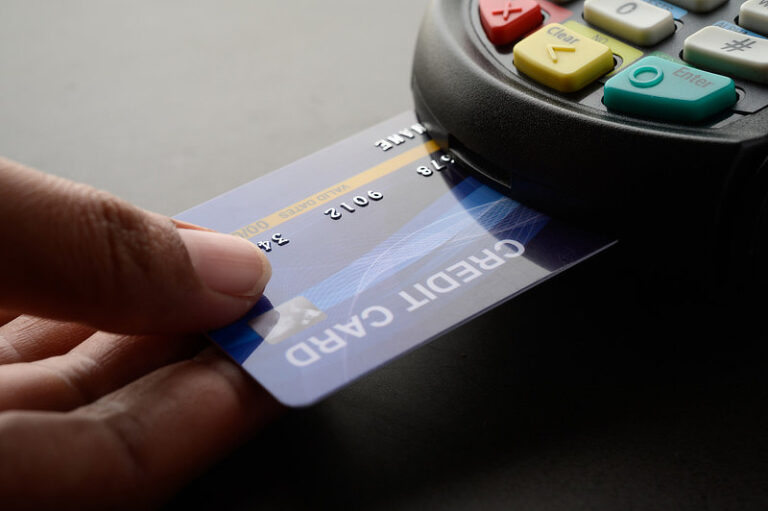
Skimming devices are placed over card slots and can copy magnetic stripe data when a card is inserted. Some are even equipped with tiny cameras to record PIN entries.
Because these devices often resemble real machine parts, many people don’t notice them.
How to protect yourself at ATMs and terminals
To protect yourself:
- Check the card slot before using it — does it feel loose or unusual?
- Use contactless payment if available
- Cover the keypad when entering your PIN
- Choose ATMs in official, well-lit locations
The more aware you are of your surroundings, the lower your risk of becoming a victim.
Final Thoughts
Most credit card scams rely on one thing: carelessness. It’s rarely weak technology that causes problems, but everyday habits that lack caution.
By verifying before entering your data, avoiding unsecured networks, reading offer details carefully, and regularly checking your transactions, you’re already one step ahead.
Remember, credit card security isn’t about paranoia — it’s about building smart habits that protect your finances over the long run.
Disclaimer: This content is for informational purposes only and should not be considered financial advice.
Credit card terms, interest rates, fees, and eligibility requirements may vary by issuer and can change over time. Always review the official terms and conditions and consider your personal financial situation before applying for or using any credit card.