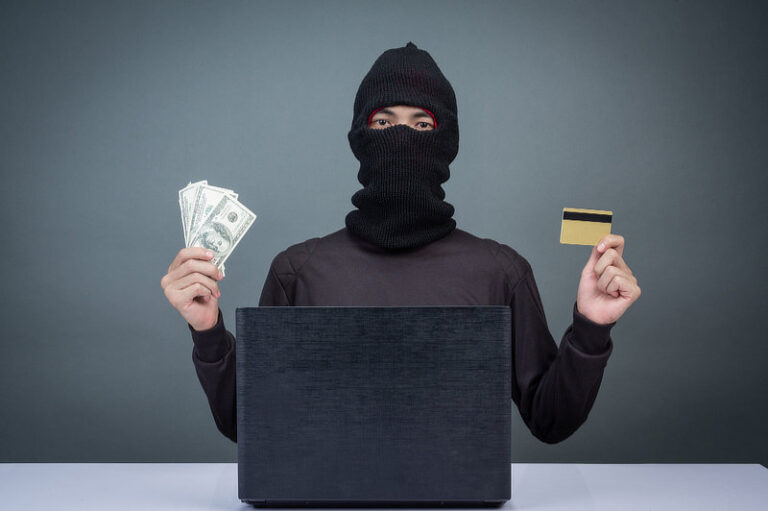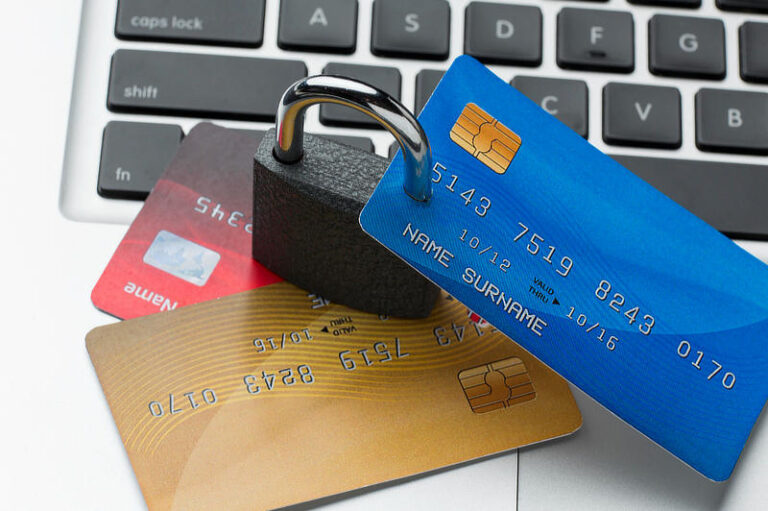
Online shopping has become part of everyday life, but credit card online safety is more important than ever. From buying household essentials to booking travel tickets, almost everything can be done with just a few clicks.
However, the more frequently we make digital transactions, the greater the risk of data theft and credit card fraud. The good news is that you don’t need to panic. There are many simple yet effective ways to keep your credit card secure when shopping online.
Here are five important steps you can follow to keep your information safe, even if you shop online frequently:
OLENKA’S GUIDE TO YOUR FIRST CREDIT CARD
- 11 Things to Know Before Getting Your First Credit Card
- Am I Ready for My First Credit Card? Key Signs to Know Before You Apply
- How to Qualify for a Credit Card When You’re a Beginner
- 7 Best Credit Card Options for Your First Credit Card
- What Is a Schumer Box and How to Read It
- How to Use Your First Credit Card Responsibly
1. Use a Secure Device and Internet Connection
Did you know that online transaction security starts with the device and internet connection you use? That’s why it’s important to make sure both are safe and reliable.
Why private devices are safer than public computers
Using your own laptop or smartphone is far safer than using public computers in libraries, hotels, or internet cafés.
Public computers can be risky because:
- They may have malware or spyware installed without your knowledge
- Your login history might be saved
- Someone else could access your account if you forget to log out
Personal devices that are regularly updated with the latest operating system and antivirus software provide much better protection against cyber threats.
How to avoid risks on public Wi-Fi networks
Public Wi-Fi networks, such as those in cafés, airports, or hotels, are often poorly encrypted. Hackers can potentially intercept the data sent through these networks.
To reduce the risk:
- Avoid entering credit card details while connected to public Wi-Fi
- Use your private home network or mobile data instead
- Turn on a VPN (Virtual Private Network) if you must use public Wi-Fi
The more secure your connection, the lower the chance of your data being stolen.
2. Check the Merchant and Website Carefully
Remember, not all online stores are trustworthy. It’s essential to make sure you’re transacting on a legitimate and secure website.
How to spot secure URLs and trusted websites
Before entering your credit card information, check the following:
- The URL starts with https:// — the “s” stands for secure
- There is a padlock icon in the browser’s address bar
- The domain name looks official and not suspicious
You should also look for customer reviews, active official social media accounts, and clear contact information.
Warning signs of fake or risky online stores
Be cautious if you notice:
- Prices that are unrealistically cheap
- Numerous spelling errors or a poorly designed website
- No return or refund policy
- Only accepting direct transfers or unusual payment methods
If something feels off, it’s better not to continue with the purchase.
3. Add Extra Layers of Payment Security
In addition to making sure the website is secure, you can also add extra layers of protection when paying online.
Third-party digital wallets
Digital wallets such as Apple Pay, Google Pay, or PayPal can provide additional security because:
- Your actual card number is not directly shared with the merchant
- They use tokenization systems that mask your data
This helps reduce the risk of your card information being stolen.
Virtual credit card numbers
Some banks in the U.S. offer virtual card numbers — temporary card numbers linked to your main credit card.
The benefits include:
- They can be used once or limited to specific merchants
- If the number is compromised, your main card remains safe
This feature is especially useful when shopping on new or unfamiliar websites.
Secure checkout services
Many major e-commerce platforms provide encrypted checkout systems with built-in fraud protection.
Whenever possible, use the official payment methods available on the platform instead of transferring funds directly.
4. Use Built-In Credit Card and App Security Features
Many credit card issuers in the U.S. already offer advanced security features, but users often don’t take full advantage of them.
Two-factor authentication and verification tools
Two-factor authentication (2FA) adds an extra layer of protection beyond just a password. It usually involves:
- One-time passcodes sent via SMS
- Verification through a mobile app
- Email confirmations
With 2FA enabled, even if someone knows your password, they still won’t be able to access your account without the additional code.
Real-time account and transaction alerts
Turn on real-time transaction notifications through your banking app.
The benefits:
- You’ll immediately know if there’s a suspicious transaction
- You can quickly report potential fraud
- It helps you keep track of your spending
The faster you notice unusual activity, the smaller the potential loss.
5. Monitor and Maintain Your Account Regularly
Security doesn’t end after you complete a transaction. Ongoing monitoring is just as important.
Reviewing statements and recent transactions
Check for:
- Small transactions you don’t recognize
- Subscription fees you no longer use
- Duplicate charges
Fraud often begins with small test transactions to see if the card is still active. Make it a habit to review your account at least once a week through your bank’s app or website.
Updating passwords and security settings
Use passwords that are:
- Long and unique
- Not used on other accounts
- A mix of letters, numbers, and symbols
Change your passwords regularly and enable all available security features.
Conclusion
Online shopping is convenient, but security should always remain a priority. By using secure devices, choosing trustworthy merchants, adding extra layers of protection, and regularly monitoring your account, you can significantly reduce the risk of credit card data theft.
These steps are simple, but their impact is huge. A little caution today can prevent much bigger financial problems in the future.
Disclaimer: This content is for informational purposes only and should not be considered financial advice.
Credit card terms, interest rates, fees, and eligibility requirements may vary by issuer and can change over time. Always review the official terms and conditions and consider your personal financial situation before applying for or using any credit card.