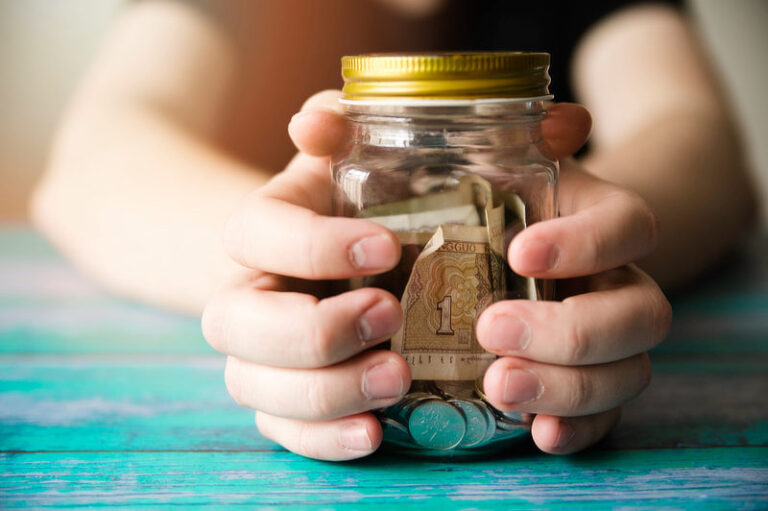
Money saving challenges are a practical and effective way to build healthier financial habits, especially if you struggle with consistency. By turning saving into a structured and enjoyable process, these challenges help you stay disciplined, manage your money better, and make saving feel less overwhelming.
This year could be the perfect momentum to begin. You can choose a saving challenge that best fits your lifestyle and financial goals–whether it’s starting with small amounts, weekly challenges, or creative methods using lists or envelopes.
Most importantly, these challenges make saving feel lighter, more fun, and less stressful on your finances.
10 Saving Challenges to Try
Below are several saving challenges you can customize based on your financial goals and income level. All of the ideas below are compiled from Shaw Brook and Better Money Habits.
1. 52-Week Saving Challenge
This is one of the most popular saving challenges. You save a specific amount every week for 52 weeks.
For example, if you start with $10:
- Week 1: Save $10
- Week 2: Save $11
- Week 3: Save $12
- Continue increasing each week until week 52
If you stay consistent, you can save more than $1,500–$1,800 by the end of the year. Your final total depends on your starting amount. This challenge is effective because the gradual increase makes it easier to adapt over time.
2. Reverse 52-Week Challenge
Similar to the previous challenge, but you start with the largest amount first.
How it works:
- Week 1: Save the highest amount (for example, $50 or $100)
- Each following week, the amount gradually decreases
This challenge is ideal if you tend to spend more at the beginning of the year or want to maximize leftover funds early on.
3. 30-Day Minimalist Saving Challenge
Perfect for those who prefer short-term challenges.
How it works:
- Each day, choose one item you won’t buy–such as coffee or snacks.
- Transfer the money you would have spent into your savings.
Within a month, you can easily save $50–$100 just by making small habit changes.
4. The Spare Change Challenge
A saving challenge that focuses on setting aside spare change or transaction differences.
How it works:
- If you spend $13, round it up to $15 and save the remaining $2.
- Or set aside loose change, small leftovers, or cashback rewards.
It may seem simple, but it’s surprisingly effective when done consistently.
5. No-Spend Challenge
A favorite challenge for anyone trying to reduce impulsive spending.
Challenge formats:
- Daily no-spend: No non-essential purchases for 1–7 days
- No-spend weekend: No dining out or paid hangouts
- Category-based no-spend: For example, no food delivery or no coffee purchases
Money you would normally spend is redirected straight into savings.
6. Envelope Saving Challenge
The envelope method remains popular because it’s visual and easy to follow.
How it works:
- Start with 5–10 envelopes based on your goals.
- As your goals grow, you can expand to 20 envelopes.
- Write different amounts on each envelope (for example, $10–$50).
- Each week, randomly pick one envelope and save the amount written on it.
This challenge is flexible and works well for those with fluctuating income.
7. Bingo Saving Challenge
Turns saving money into a game.
How it works:
- Create a bingo board filled with random amounts (for example, $5–$50).
- Every time you save a specific amount, cross off one box.
Once all boxes are completed, you could save anywhere from $200 to $1,000, depending on the amounts you choose.
8. Income-Based Saving Challenge
Save money based on a percentage of your income.
Examples:
- 5% of every paycheck
- 1% of freelance payments
- 10% of bonuses
This method is ideal if your income is inconsistent or variable.
9. 100-Day Saving Challenge
A medium-term challenge that’s slightly demanding but still realistic.
How it works:
- Save a fixed amount every day ($2–$10),
- Or adjust the amount daily based on your mood or cash flow.
By the end, you can save $200–$1,000 depending on your chosen amounts.
10. Wishlist Challenge
Designed for those who love shopping but want better control.
How it works:
- Whenever you want to buy something, wait for three days.
- If after three days you still feel you need it, you may buy it.
- If not, transfer the money into savings instead.
This challenge helps you clearly distinguish between needs and wants.
Tips to Stay Consistent with Saving Challenges
Beyond choosing the right challenge, these tips can help you stay consistent:
- Set clear goals to stay motivated–such as a vacation fund, emergency fund, gadgets, or initial investments.
- Use a separate savings account so your money doesn’t mix with daily expenses.
- Automate transfers (auto-debit) whenever possible, especially during busy periods.
- Track your progress weekly to stay accountable.
- Start with small amounts and increase gradually to avoid feeling overwhelmed.
- Invite your partner or friends to join so it’s more fun.
- Reward yourself with small treats after reaching certain milestones.
- Evaluate your challenge monthly. Adjust the amounts if your financial situation changes–consistency matters more than the size of the savings.
The key is to make saving enjoyable, not a burden.
Final Thoughts
There are many saving challenges you can try this year, from simple to creative ones. Challenges like the 52-week challenge, no-spend challenge, and wishlist challenge can help you save more regularly without feeling pressured.
With the right strategies, you can build healthier financial habits and reach your financial goals faster.