Selling your home for the first time can feel overwhelming. It’s a major financial decision, and there are many steps involved—from setting the right price to closing the deal.
The good news? With the right plan, you can sell your home confidently, avoid common mistakes, and get solid value for your property. This beginner-friendly guide walks you through the process step by step.
1. Prepare Your Home for Sale (Focus on the Basics)
You don’t need expensive renovations to sell your home. Start with simple fixes that make a big difference:
- Touch up paint with neutral colors
- Fix small issues like leaky faucets or loose handles
- Improve lighting so rooms feel bright and welcoming
Buyers notice details. A clean, well-maintained home feels more move-in ready and builds trust.
2. Decide Whether to Use a Real Estate Agent
Most first-time sellers work with a real estate agent—and for good reason. An experienced agent can help you:
- Set the right asking price
- Market your home
- Handle negotiations and paperwork
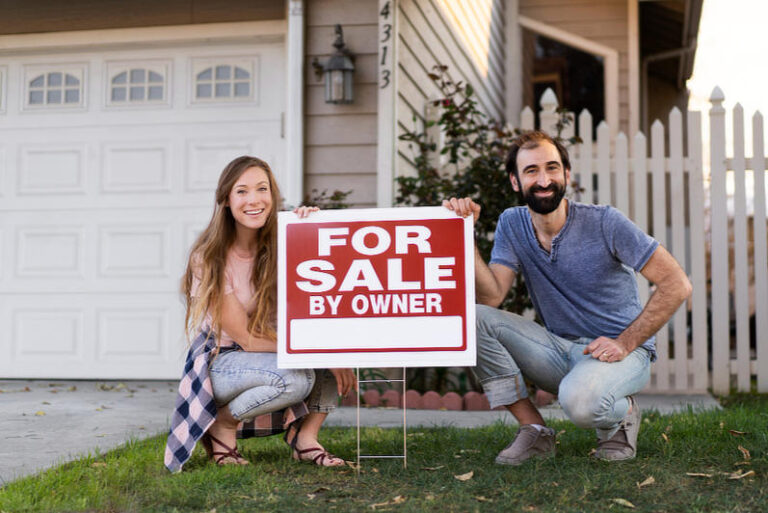
Selling on your own (FSBO—For Sale By Owner) can save commission fees, but it also means managing everything yourself. If this is your first time selling, an agent often makes the process smoother and less stressful.
3. Learn What Homes Like Yours Are Selling For
Don’t guess your home’s value. Look at recent comparable sales (comps)—similar homes in your area that sold in the last few months.
These sales help you understand:
- What buyers are willing to pay
- How long homes stay on the market
- Whether prices are rising or cooling
This information is also what lenders and appraisers use, so it’s a key part of pricing your home correctly.
4. Price Your Home to Attract Buyers
Pricing is critical. If your home is priced too high, it may sit on the market. Too low, and you could lose money.
A competitive price attracts more buyers, leads to more showings, and can even result in multiple offers. Your agent can help you find a price that balances interest and value.
5. Make a Great First Impression Online and In Person
Most buyers will see your home online before visiting. Make it count:
- Remove clutter and personal items
- Arrange furniture to make rooms feel spacious
- Let in as much natural light as possible
Professional photos and a tidy interior help buyers imagine living in the home. Outside, simple curb appeal—like a clean yard and welcoming front door—also matters.
6. List and Promote Your Home Properly
Your home should be listed on major platforms like Zillow and Realtor.com, usually through the Multiple Listing Service (MLS).
A strong listing includes:
- High-quality photos
- Clear, honest descriptions
- Key highlights like location, upgrades, or energy efficiency
Open houses and private showings give buyers a chance to connect with the space.
7. Review Offers Carefully (It’s Not Just About Price)
When offers come in, look beyond the number. Important factors include:
- How the buyer is paying (cash or mortgage)
- Contingencies like inspections or financing
- Closing timeline and flexibility
Sometimes a slightly lower offer with fewer conditions is safer than a higher offer that may fall through.
8. Understand the Closing Process
After accepting an offer, the buyer will usually schedule a home inspection and appraisal.
Be prepared for:
- Requests for repairs
- Possible price adjustments if the appraisal comes in low
Responding quickly and staying cooperative helps keep the sale moving forward.
9. Close the Sale and Get Ready to Move
At closing, you’ll sign documents to transfer ownership. Once the transaction is complete and funds are released, the home officially belongs to the buyer.
Make sure your move is planned and keep all documents for tax and record purposes. You’ve done it—your first home sale is complete.
Frequently Asked Questions (FAQ)
1. How long does it usually take to sell a house in the U.S.?
Most homes sell within 30 to 90 days, depending on local market conditions, location, and how competitively the home is priced.
2. What is the best time of year to sell a house?
Historically, spring through early summer (March to May) is the best time to sell. Buyer demand is typically higher as families aim to move before the new school year.
3. Should I sell my house with a real estate agent or go FSBO?
Using an agent gives you wider exposure, pricing guidance, and help with legal paperwork.
FSBO (For Sale By Owner) can save about 5–6% in commission, but it requires you to handle marketing, negotiations, and documents on your own, which comes with more risk—especially for first-time sellers.
4. How do I price my house correctly in today’s market?
Start with recent comparable sales (comps) in your area. Consider current mortgage rates and your home’s condition, and consult a real estate professional for an objective price recommendation.
5. What repairs increase home value the most before selling?
Repairs that tend to offer the best return include:
- Basic landscaping and curb appeal upgrades
- Roof repairs
- HVAC system improvements
- Fresh interior paint
6. Can I sell my house if I still have a mortgage?
Yes. At closing, the sale proceeds are first used to pay off your remaining mortgage balance. Any money left after that is your net profit.
7. How do mortgage rates affect buyers and my selling price?
Higher mortgage rates reduce buyer purchasing power, which can lower demand. In higher-rate environments, sellers may need to price more competitively to attract buyers.
8. What closing costs do sellers typically pay in the U.S.?
Sellers usually cover:
- Mortgage payoff and administrative fees
- Real estate agent commissions
- Transfer taxes
- Attorney fees (in some states)
9. What happens during the home appraisal?
A neutral third-party appraiser evaluates your home to confirm its value matches the buyer’s loan amount. The appraisal is based on your home’s condition and recent market sales.
10. How long does closing take after accepting an offer?
Closing typically takes 30 to 45 days, depending on paperwork, inspections, and how quickly the buyer completes their mortgage financing.
Ready to put a “Sold” sign in your front yard? Selling your home the smart way helps you move faster, avoid costly mistakes, and maximize your return. Don’t let small details stand between you and a successful sale. Use the guide above as your roadmap—and reach out to a trusted local real estate agent today to get started with confidence.
Disclaimer: The information provided in this article is for general educational purposes only and should not be considered financial, legal, or mortgage advice.
Mortgage rates, loan programs, and eligibility requirements may vary based on location, lender, and individual circumstances. Whether you are buying or selling a home, always consult with a qualified real estate agent, mortgage lender, financial advisor, or legal professional before making any decisions.